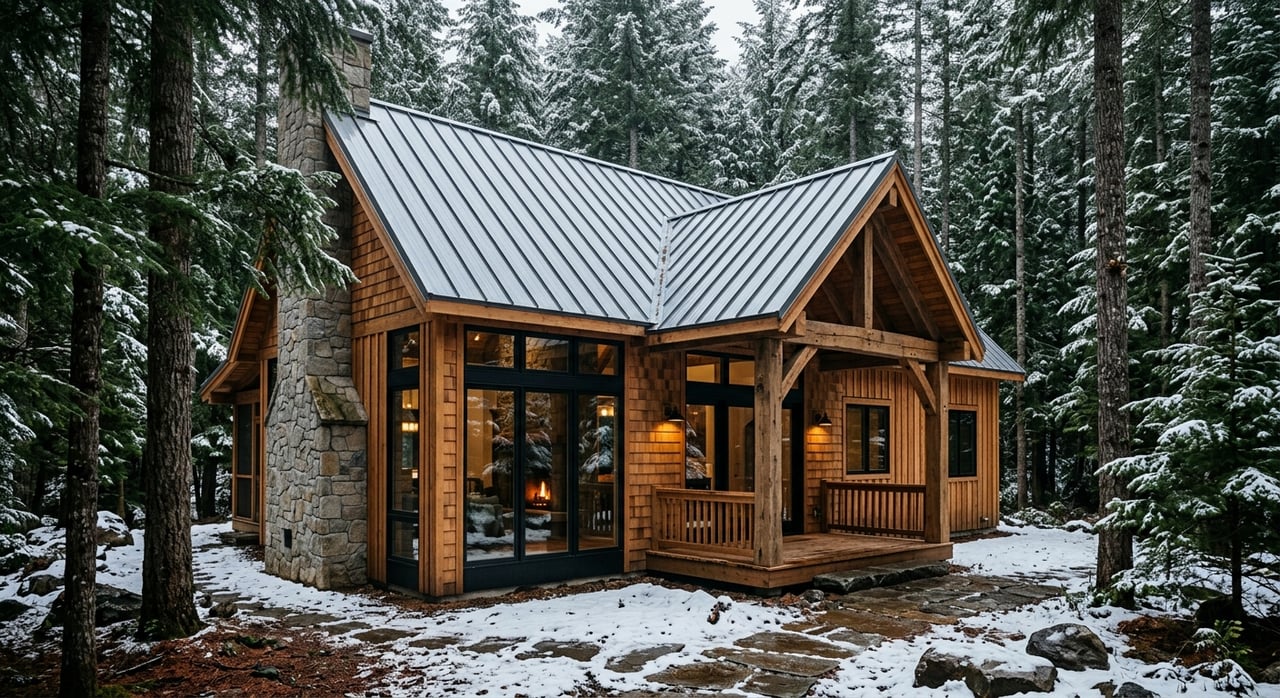
Camp Nelson Cabins As Vacation And Investment Homes
April 16, 2026
April 16, 2026
Dreaming about a mountain cabin that gives you a personal getaway and the potential for rental income? Camp Nelson can be appealing for exactly that reason, especially if you want a Tulare County retreat near recreation, giant sequoias, and seasonal tourism. But before you buy, it helps to look at Camp Nelson for what it is: a beautiful mountain market with real upside, clear operating costs, and a few important rules to understand. Let’s dive in.
Camp Nelson sits in Tulare County’s mountain area, and the county’s Mountain Residential zoning is designed for places where homes are often used as second homes or for recreation. That matters if you are thinking beyond simple weekend use and want to understand how a cabin may fit into a personal-use-plus-investment strategy. The same zoning framework also lists rental of single-family dwellings for vacation or recreational purposes as an allowed use in that district, which is one reason buyers keep this area on their radar.
Location is also a big part of the draw. Nearby recreation includes the Belknap area on Highway 190, where the Forest Service notes access to hiking through giant sequoia groves in the Tule River Canyon recreation area. For many buyers, that combination of mountain setting and outdoor access is what makes a Camp Nelson cabin feel like more than just another property.
In many cases, a Camp Nelson cabin works best as a hybrid property. You may use it for your own vacations while also renting it at select times of year to help offset ownership costs. That can be a practical model, but it is usually strongest when you treat the cabin as a seasonal mountain asset, not a year-round suburban-style rental.
Tourism supports that opportunity. The National Park Service reported 2,008,962 recreation visits to Sequoia and Kings Canyon National Parks in 2024, with visitors spending $192.5 million in nearby communities. That kind of visitor traffic creates demand for overnight stays across the region.
If you are estimating rental income, seasonality should be front and center. An NPS concession prospectus found that about 72% of Kings Canyon visitors arrive between May and September, which means demand is heavily weighted toward late spring, summer, and early fall. In other words, you should not expect the same booking pattern in January that you might see in July.
Access conditions also shape the rental calendar. The Forest Service says the Belknap Grove area is generally easy to reach by car from May through mid-November, and it also notes that roads in this area are not plowed or maintained for winter driving access and may close during snowfall, according to its Tule River Canyon recreation guidance and seasonal road closure notices. That makes winter use and guest turnover less predictable.
A mountain cabin budget should go well beyond the mortgage. Before you make an offer, it is smart to build a realistic ownership worksheet that includes taxes, insurance, maintenance, and compliance costs.
In California, property taxes are generally shaped by Proposition 13. Tulare County explains that the basic property tax rate is 1% of assessed value plus voter-approved bonded debt, and annual increases are generally capped at 2% until a change of ownership or new construction resets the base-year value, as outlined on the county’s Proposition 13 page.
That is helpful, but it is not the whole picture. Tulare County also notes that even if assessed value is modest, direct charges from local agencies may still apply. So when you review a cabin, make sure you ask for the most recent tax bill and look closely at any special assessments.
If you plan to rent the cabin to guests, transient occupancy tax is one of the biggest operating costs to understand. Tulare County states that its 10% transient occupancy tax applies to rent charged by an operator for a room, house, or cabin rented to non-residents for more than 15 days in a calendar year, and it requires registration plus quarterly reporting under the county’s TOT rules.
That does not mean the property cannot work as an investment. It just means your numbers should reflect the tax from the start. A good cabin purchase decision comes from underwriting the real net income, not just the top-line nightly rate.
Wildfire exposure is a major due diligence issue in mountain areas. Tulare County says properties in Very High Fire Hazard Severity Zones must meet 100-foot defensible-space requirements and may trigger AB 38 inspection and disclosure obligations in a sale, based on its fire severity zone information.
These costs are ongoing, not one-time. The county’s hazard abatement program says standards apply throughout the year and are especially critical during high fire months, usually April through October. That means brush clearance, vegetation management, and general site upkeep should be part of your annual budget.
Insurance pricing can also be more complex than buyers expect. The California Department of Insurance says insurers use wildfire risk models for pricing and underwriting, not CAL FIRE hazard maps, and it identifies the FAIR Plan as the insurer of last resort when standard coverage is hard to place, as explained in this insurance bulletin. Because of that, getting written insurance quotes before removing contingencies is a smart move.
Rural properties often require more detailed review than in-town homes. Tulare County permit materials require applicants to show well and septic locations and distances, and the county says building permits and inspections are required for new construction, additions, and most remodels before occupancy, according to its building permit requirements.
For you as a buyer, that means asking practical questions early:
If you live outside the immediate area, a Camp Nelson cabin usually needs a dependable local support plan. Seasonal access limitations, weather changes, and mountain maintenance all make remote ownership more hands-on than many first-time buyers expect.
Even though the county does not frame this as a formal hospitality rule, it is a realistic operating issue. If you plan to rent the property, you should think through who will handle:
A beautiful cabin can become stressful quickly if there is no local system in place to keep it running smoothly.
A Camp Nelson purchase deserves careful pre-offer review. Tulare County encourages buyers to use its Public Parcel Search and planning resources to confirm zoning and parcel details, and to contact Planning before filing permits.
Here is a smart checklist to work through before moving forward:
Camp Nelson can absolutely make sense if you want a place to unplug while also creating some income potential. The lifestyle appeal is real, and the area benefits from strong regional tourism tied to Sequoia and Kings Canyon. For the right buyer, that combination can be very attractive.
At the same time, the best decisions come from clear expectations. Rental demand is seasonal, winter access can be limited, wildfire mitigation is part of ownership, and county taxes and compliance items can affect your returns. If you approach the purchase with careful research and solid due diligence, you can judge whether a specific cabin fits your personal goals and investment standards.
If you are considering a mountain cabin in Camp Nelson or anywhere in Tulare County, working with a local advisor can help you sort through zoning, access, property condition, and the details that matter before you commit. When you are ready to explore your options, connect with Connie Kautz for knowledgeable, concierge-level guidance.
Stay up to date on the latest real estate trends.
Nothing satisfies me more than watching my clients' dreams come true - that's what being a real estate agent is all about! If you'd like to get ahold of me directly, feel free to use the form below to send me your contact information. I'd love to assist you, no matter the need. Thanks for learning more about me, and we'll speak soon!